
 Sign in

Image of Future Geographers event at Conference 2026. Image taken by Shaun Flannery.
29 June 2026
Read time: 11mins
‘The Future Geographers event clearly demonstrated how geography connects to the real world and the important role it plays in helping people understand and respond to global challenges.’
Sophie Iris Patterson
The Future Geographers event at the Geographical Association Conference in Sheffield was designed to inspire young people to think about the wide range of opportunities and careers linked to geography.
Linked closely to the conference theme of ‘Geography Makes a Difference’, the day encouraged students to explore how geography helps us understand the world and tackle real-life challenges such as climate change, disaster management, sustainability and community development. Through lectures, workshops and interactive activities, students were able to meet experts, collaborate with others from across the UK and experience geography beyond the classroom.

Alice Murnane
On Friday 10 April, I attended the Future Geographers event as part of the annual Geographical Association Conference in Sheffield. The day was full of incredibly inspiring lectures, talks and group activities covering the whole spectrum of the subject from disaster management to sustainable living and habits.
Ilan Kelman’s fantastic lecture, ‘Disaster by choice’, emphasised how disasters are not natural, and are the result of poor decision making. It was a thoroughly detailed presentation, with a wonderful explanation of the topic and an engaging discussion on factors affecting disasters.
We then moved on to superdiverse communities, with a phenomenal research presentation from Dr Charlene Rose on how Caribbean cuisine has adapted in different areas to appeal to certain audiences within Birmingham. While a topic I may have never even considered, it was exceptionally engaging, and maybe the best part… the board game. The monopoly style game made us restaurant owners in a superdiverse area, challenging us with financial setbacks and situations to overcome (quickly turning competitive).

Our disaster management role play in the afternoon was absolutely fantastic, with Martin Parham explaining our roles and the situation in Dominica where our task was set. I was given the role of ‘Government Official’, and with the group, quickly built strategies to deal with the flow of issues sent our way, from hurricanes and earthquakes to outbreaks of viruses in the city, all while desperately attempting to stay within budget (which is easier said than done).
Our activities and discussions with Elena Clark from Another Way were a brilliant way to end the day, getting us thinking about the climate, and how our actions can make a difference with their Power of 10 policy. Our discussions over different views and topics were fantastic, letting us all share our thoughts and build on ideas collectively.
I thank everyone who made the conference such an incredible day, especially Fiona Sheriff for running the Future Geographers activities as well as Catherine Owen and the Geographical Association for the amazing event: a truly inspiring day! 🌍
Sophie Iris Patterson
I was looking forward to day three of conference as this was the day that was for me! When I came into the room, I was welcomed by Fiona who was looking after us that day. Fiona was so welcoming; I was instantly relaxed and looking forward to the day.
When everyone arrived, and we said hello to each other, we went down to the main hall where we saw a session about natural disasters. Ilan Kelman talked about hurricanes that had happened around the world in 2004 and 2011. He also talked about his book that he wrote about disasters. It was an interesting talk and I really enjoyed it. The talk made me think more about the impact that decisions have on disasters, which made me wonder about other disasters that I have learnt about in school – were they made worse by people’s decisions? That took us up to breaktime.
After break we had a session with Dr Charlene Rose; she talked about her journey and how she got into teaching geography. I found this inspiring as her school journey was like mine. She brought her board game that she had made and designed for us to play. The board game was about running a restaurant in a diverse community and paying for mistakes that we had made and collecting money for everything we had done right.
The board was a bit like a snake, with different colours for what card you had to pick up. Red was a bad card, so for example, pay £50 to the bank because there was a rat in your restaurant. Orange was a chance card, you could get a good card like, collect £100 from the bank because your restaurant was very good today and got a lot of tips, or a bad card like, pay £100 to another player because their restaurant was a lot cleaner than yours.
I didn’t win; I came 3rd out of 3 but that didn’t matter because I had a lot of fun playing it. I learnt that when running a business, it isn’t as straight forward as you think. I also really liked that I met people from around the UK and chatted to them about their school, it was nice to find out that other people have the same experience as me in school.
After lunch we came into the room, and we had a session about natural disasters with Dr Martin Parham. We got into groups of 2 or 3. Martin gave us a role each and a sheet of information we had to decide what to buy from it. We had a budget of £12million between all 7 groups. There was a table that was like a board room table, like the Apprentice!
We got some information to start with about a hurricane that was coming by our country and could potentially hit us. We then had to decide if we should buy anything to keep us safe. We also got some information at random times when we were talking to our groups. We sent someone from our group to the centre table to voice what they think we should buy.
From this I learnt that making decisions isn’t easy and you have to use a lot of consideration and thought. I also liked the negotiations as we all had different opinions about what should be done and have to come up with a plan that everyone agreed with.

After that session, we had a session about climate change with Elli Clarke. We learnt about what would help most about climate change and what wouldn’t help as much.
As a big surprise recycle was at the bottom of the tower of what would help, and not buying as much was at the top because if you don’t buy it in the first place then you don’t have anything to recycle.
I learnt that if only one person changes what they do, it won’t help with climate change but if a community or a big group of people change, it will help. It was fun. That was the last session of the day. It was a really fun day, and I hope to go again next year.

The Future Geographers event clearly demonstrated how geography connects to the real world and the important role it plays in helping people understand and respond to global challenges.
From disaster management and superdiverse communities to climate change and sustainability, the day showed students that geography is not only an academic subject but also a pathway into a wide variety of meaningful careers.
Most importantly, the event highlighted how geographers can make a positive difference to people, places and the planet – perfectly reflecting the conference theme of ‘Geography Makes a Difference’.
We’d like to give a huge thank you for their support on the day to:
Dr Charlene Rose, CENTA Teaching and Training Fellow, University of Birmingham
Dr Martin Parham, Disaster Risk Lecturer at HCRI, University of Manchester
Dr Ilan Kelman, Professor of Disasters and Health, UCL
Dr Sonja Rewhorn, Geography lecturer, Open University
Elli Clarke, Another Way
Chantel Mayo Hollaway, Director of Humanities and Sustainability, Windsor Academy Trust
Sandra Patterson, Head of Geography and Travel & Tourism, Ulidia Integrated College
Photographs taken by Fiona Sheriff.
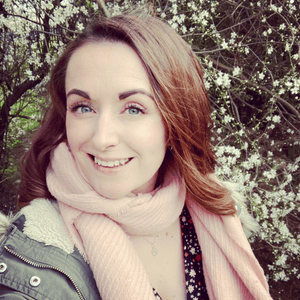 Written by Fiona Sheriff: Head of Geography at Kingsthorpe College, and Vice-President of the GA (pictured left), Alice Murnane and Sophie Patterson
© Fiona Sheriff, Alice Murnane, Sophie Patterson and the Geographical Association, 2026.


